

Every year on May 22, the world celebrates the International Day for Biological Diversity. It reminds us that our planet needs many different types of life to stay beautiful and healthy.
As a diver, some places stay in my heart forever. These are places where I do not just watch nature, but I actually feel like I am a part of it. For me, the magic of Komodo diving makes this national park one of those special places.
Let’s dive deep into the rich Komodo marine biodiversity.
Where Two Oceans Meet
Every time I return for a diving cruise in Komodo, I feel the same fascination. This national park sits at the meeting point between the Indian Ocean and the Flores Sea, where two bodies of water collide to mix temperatures, nutrients, and currents in a constant underwater dance.
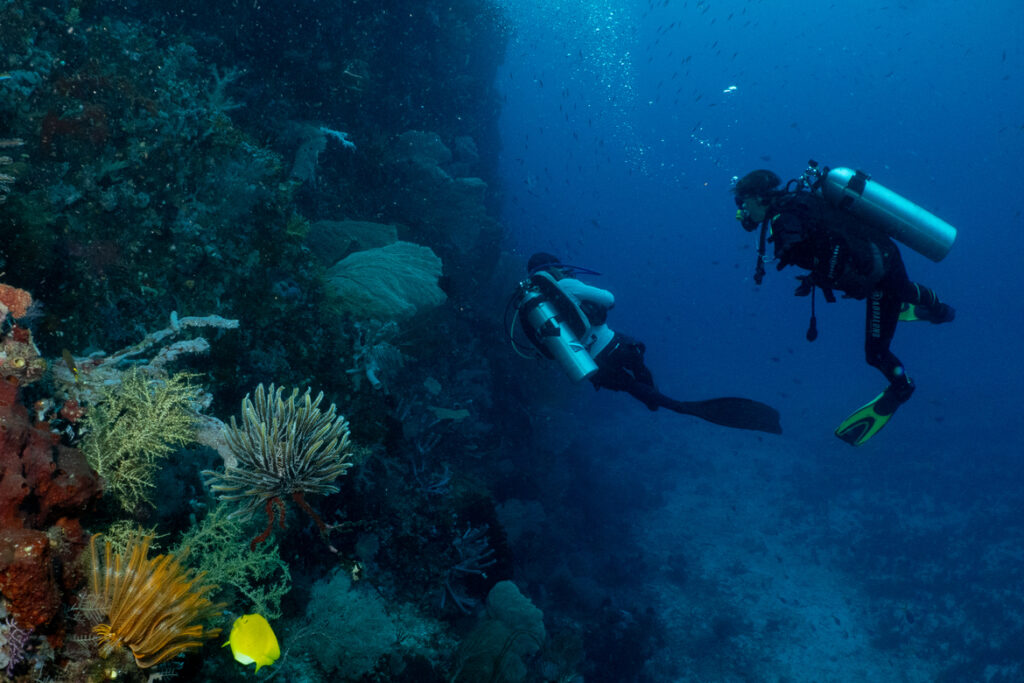
I can actually feel this energy is underwater. The currents twist around the islands, creating whirlpools, surges, and invisible rivers beneath the surface. Some Komodo dive sites feel almost alive, as if the entire ocean is breathing around me.
Because of this movement, life explodes here. Cold, nutrient-rich water rises from the depths, feeding plankton and attracting everything from microscopic creatures to giant pelagics. It is one of those rare ecosystems where every dive feels unpredictable.
I descend into the blue, never truly knowing what might appear.
Inside the Heart of the Coral Triangle
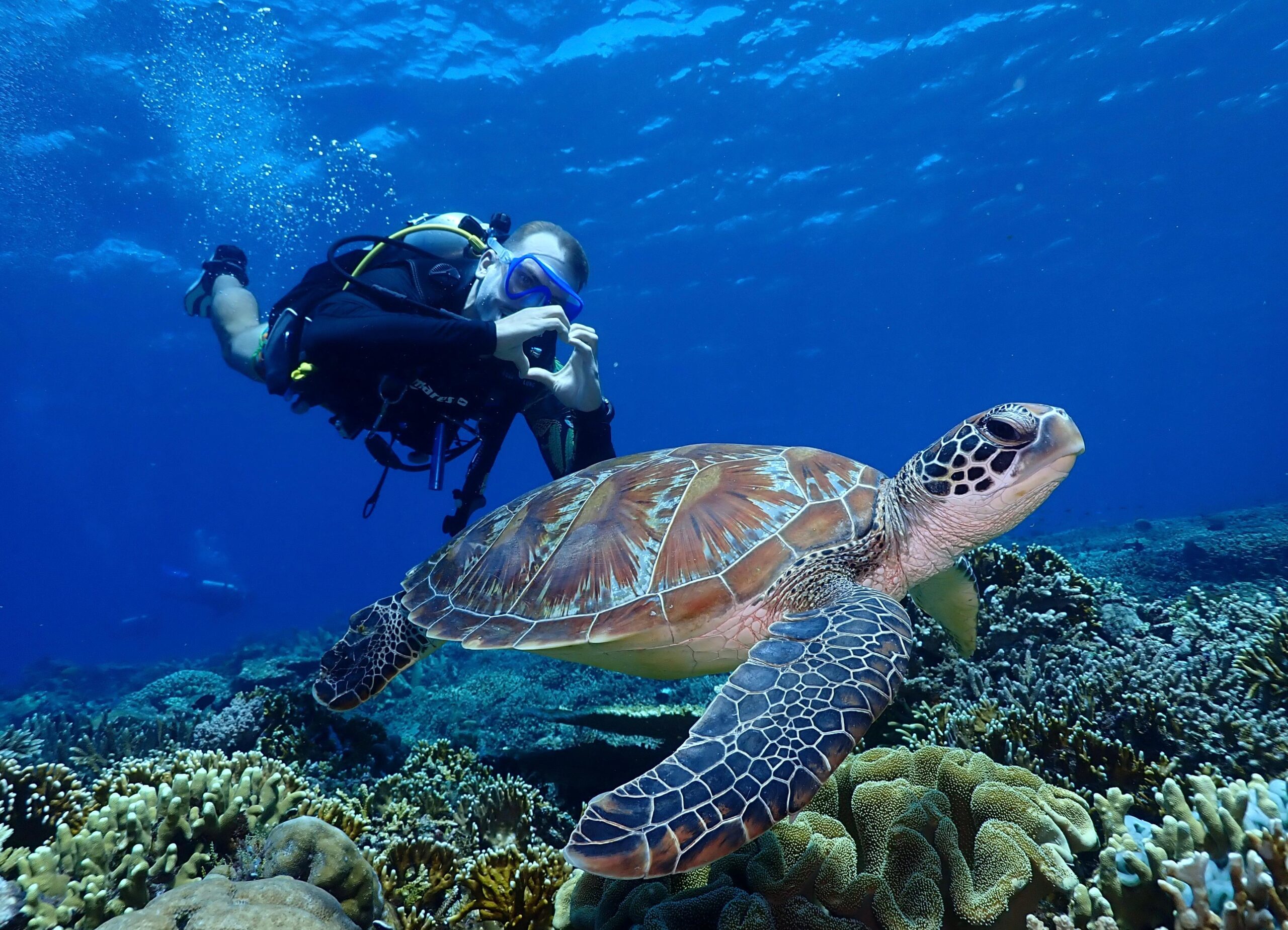
What makes Komodo even more extraordinary is that it lies within the Coral Triangle, often called the “Amazon of the Seas.” This region contains the highest marine biodiversity on Earth.
More than 75% of the world’s coral species can be found within the Coral Triangle, along with thousands of species of reef fish, mollusks, crustaceans, and marine mammals. It is one of the richest underwater ecosystems our planet has ever been known.
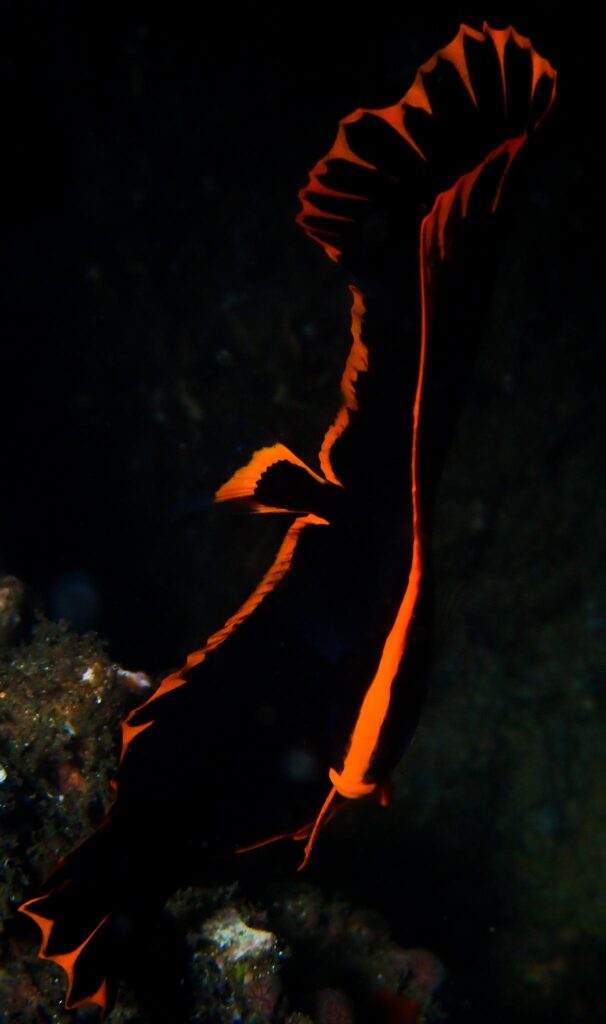
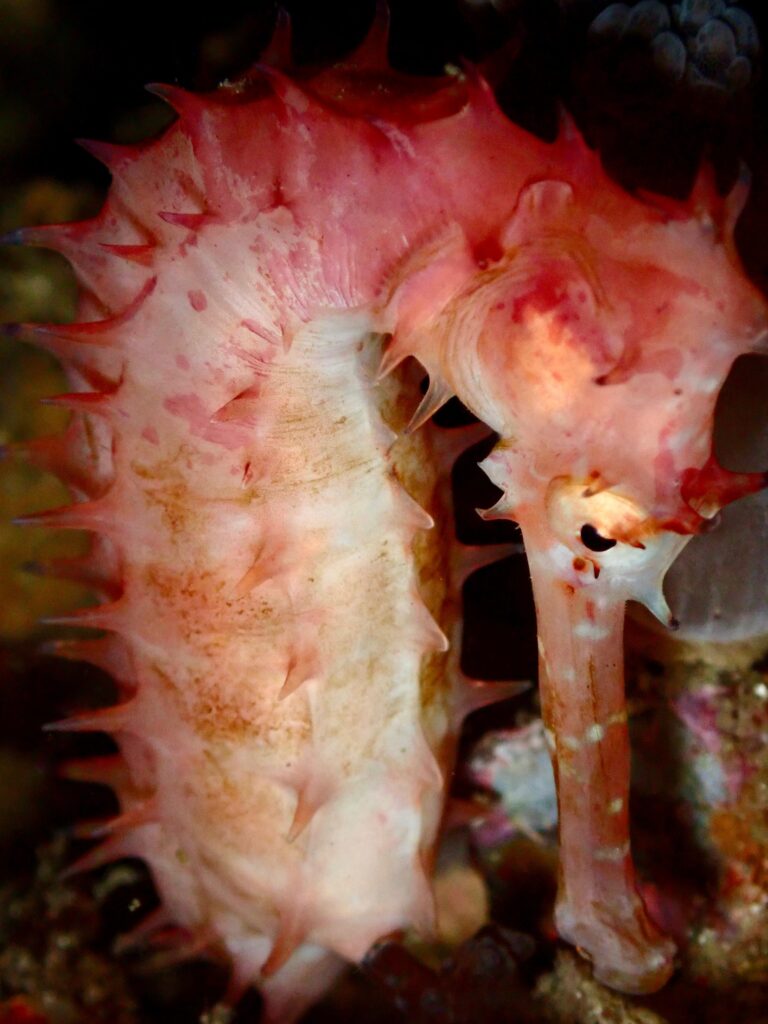
And when experiencing Komodo island diving, I truly understand why.
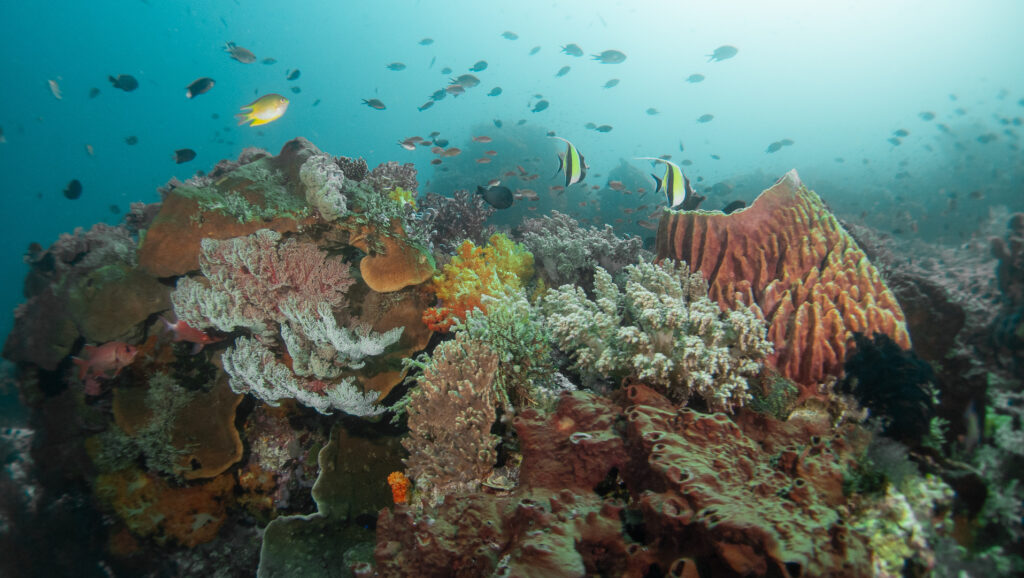
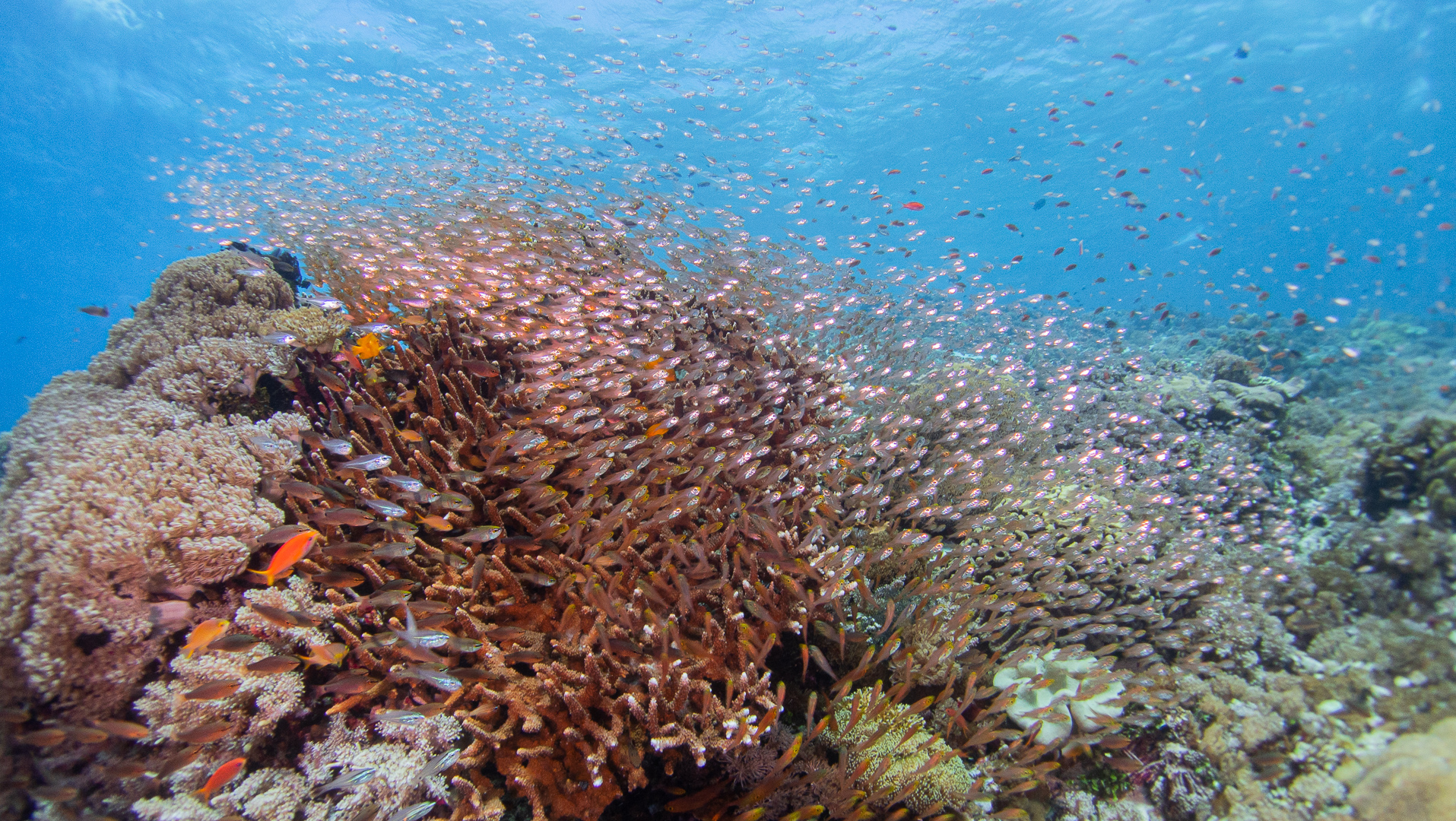
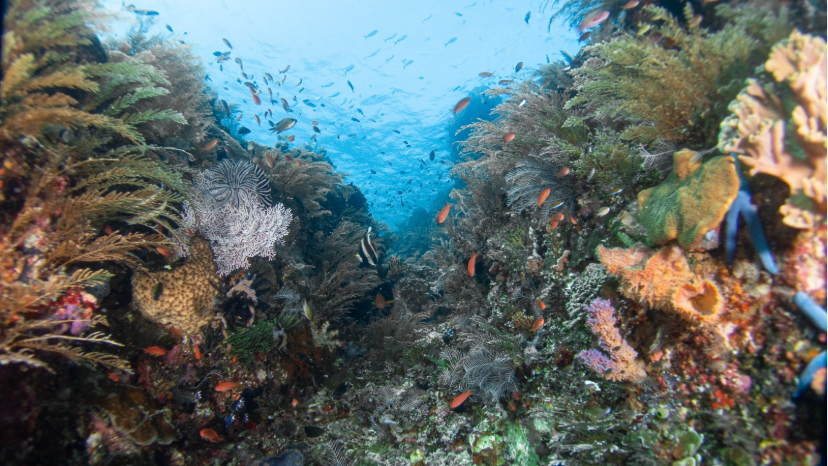
The reefs here feel endlessly alive. Soft corals pulse in the current; clouds of anthias shimmer above bommies, and schools of fusiliers move like silver rivers in every Komodo dive site. Every rock, every sponge, every sea fan seems inhabited.
Sometimes I spend an entire dive looking into what initially appears to be “just coral” only to discover a whole hidden universe inside it.
Giants, Rarities, and Tiny Miracles
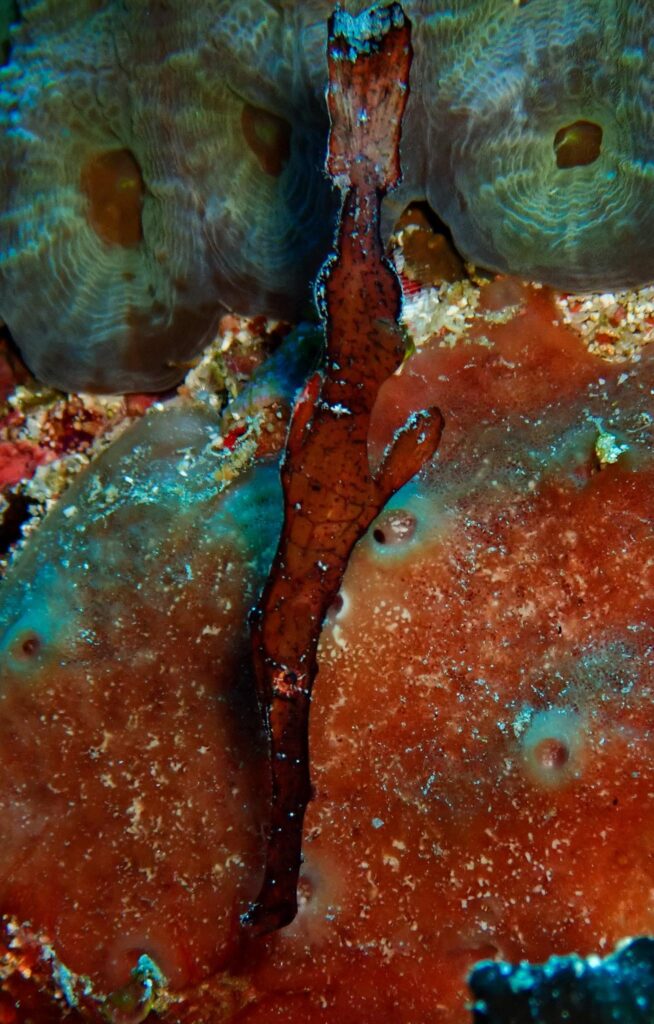
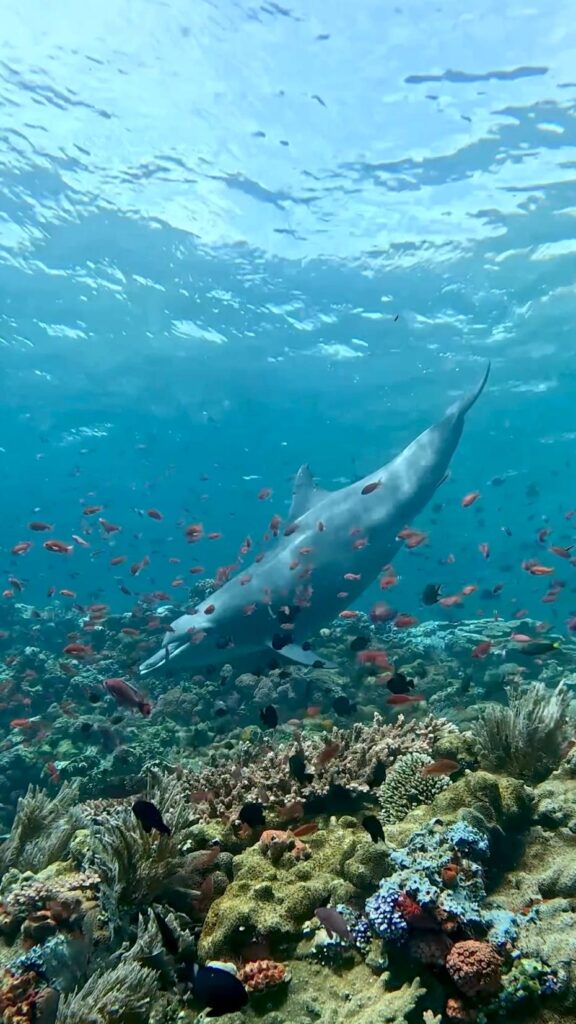
Komodo is famous for its big sea animals. The manta rays are impossible to forget. Seeing them swim smoothly through the water feels like watching birds fly above the reef.
These gentle giants share the water with reef sharks in the north, and sea turtles that rest peacefully among the corals at Siaba. Sometimes, if I am very lucky, a dugong might quietly appear in the green seagrass.
These big animals are amazing, but what I love most about Komodo marine biodiversity is the tiny life. Diving here is like hunting for hidden treasures. I still remember how excited I was to see my first hairy frogfish. It was hiding perfectly on the reef.
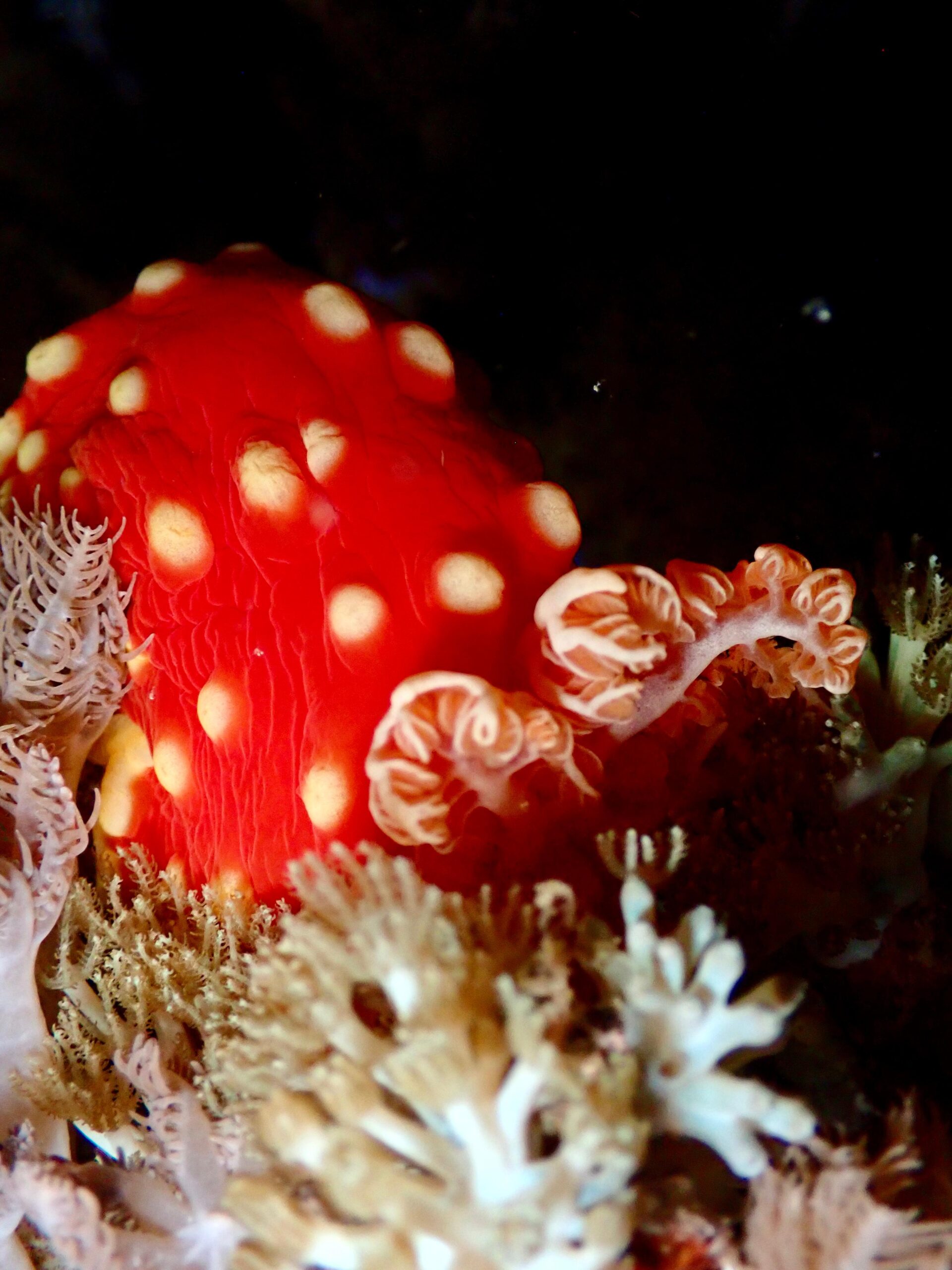
Since then, I have seen many different types of frogfish, and each one looks totally unique. I have also seen the famous “disco nudibranch.” It is a tiny sea creature that glows in bright colors against dark rocks.
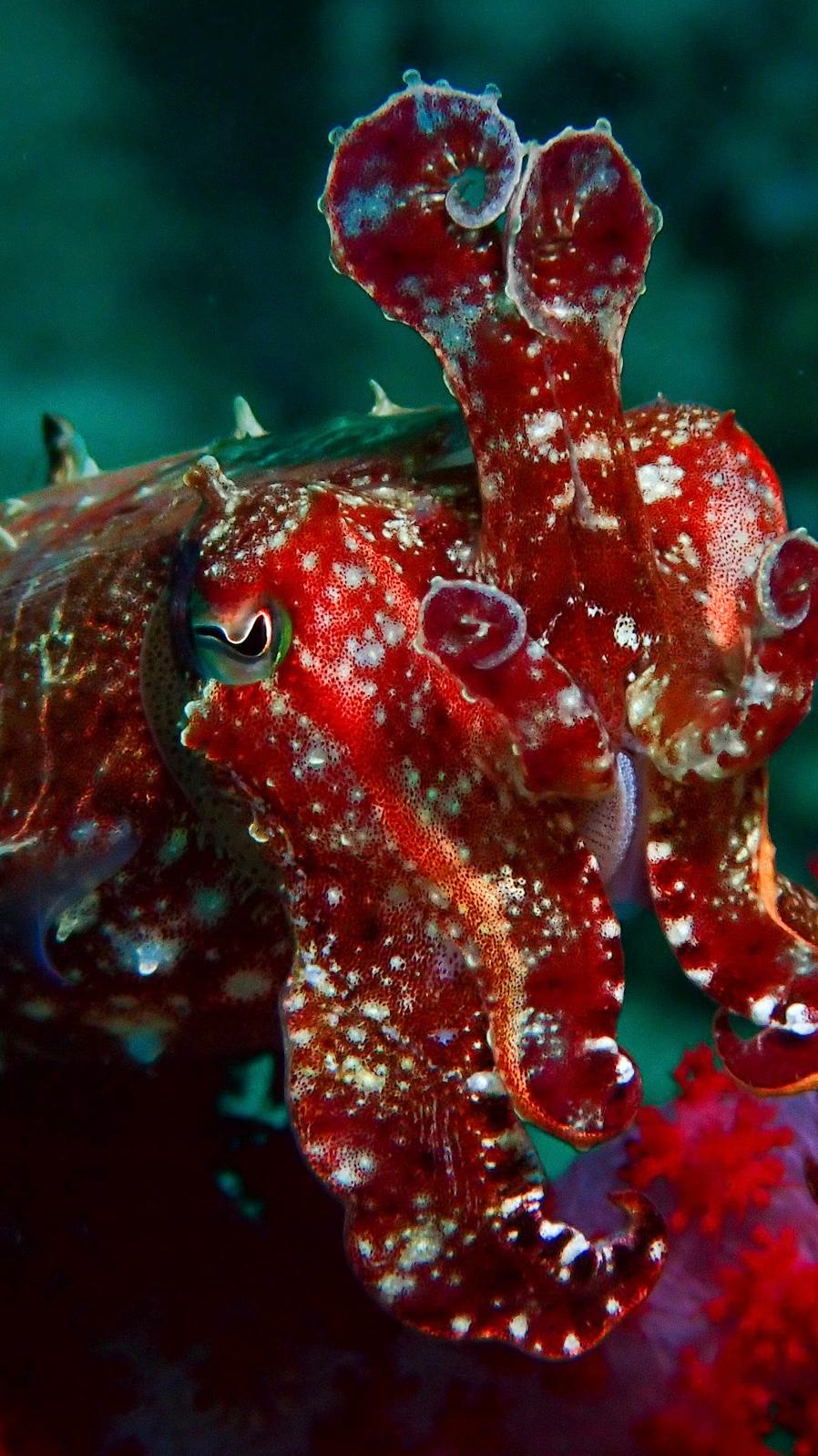
The surprises never stop. On any dive, I might find a tiny blue-ringed octopus flashing bright circles in the sand. I might see tiny cuttlefish floating gently above the broken coral.
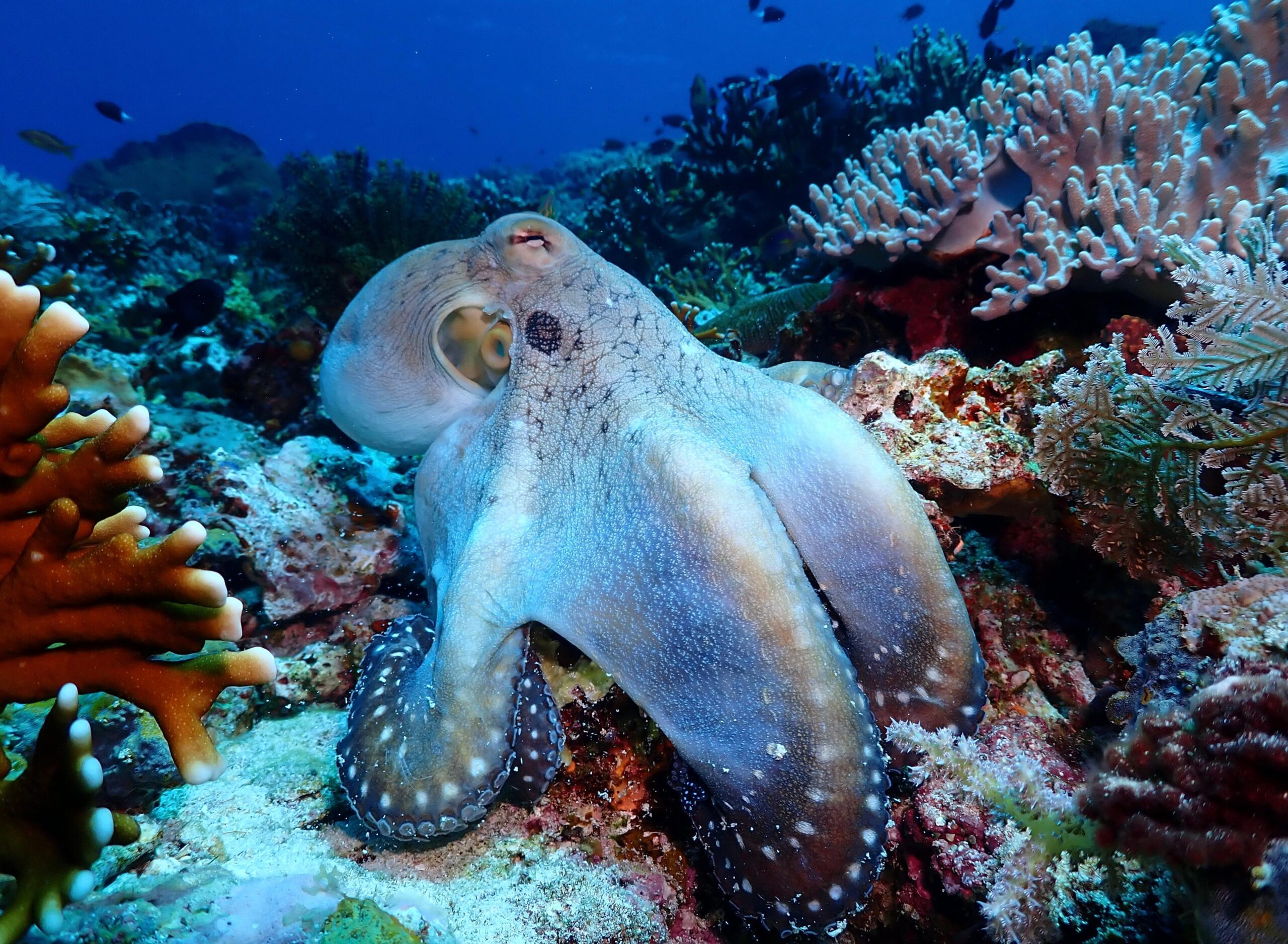
One of my favorites is the zebra crab. It lives safely inside sea urchins that have sharp, dangerous spikes. There is also a cute, hairy squat lobster. It is purple and furry with bright red eyes, and it hides inside large sea sponges like a tiny magical creature.
Sometimes, our dive guides point at something so small that I cannot even see it at first. Then, suddenly, my eyes adjusted. Hidden on a sponge or sea fan, I see a microscopic “ladybug” creature. It is white and pink with tiny red dots. These quiet moments always remind me how huge and amazing the ocean really is.
The Ocean Still Has Secrets
What I love most about Komodo is that even now, it continues to surprise me.
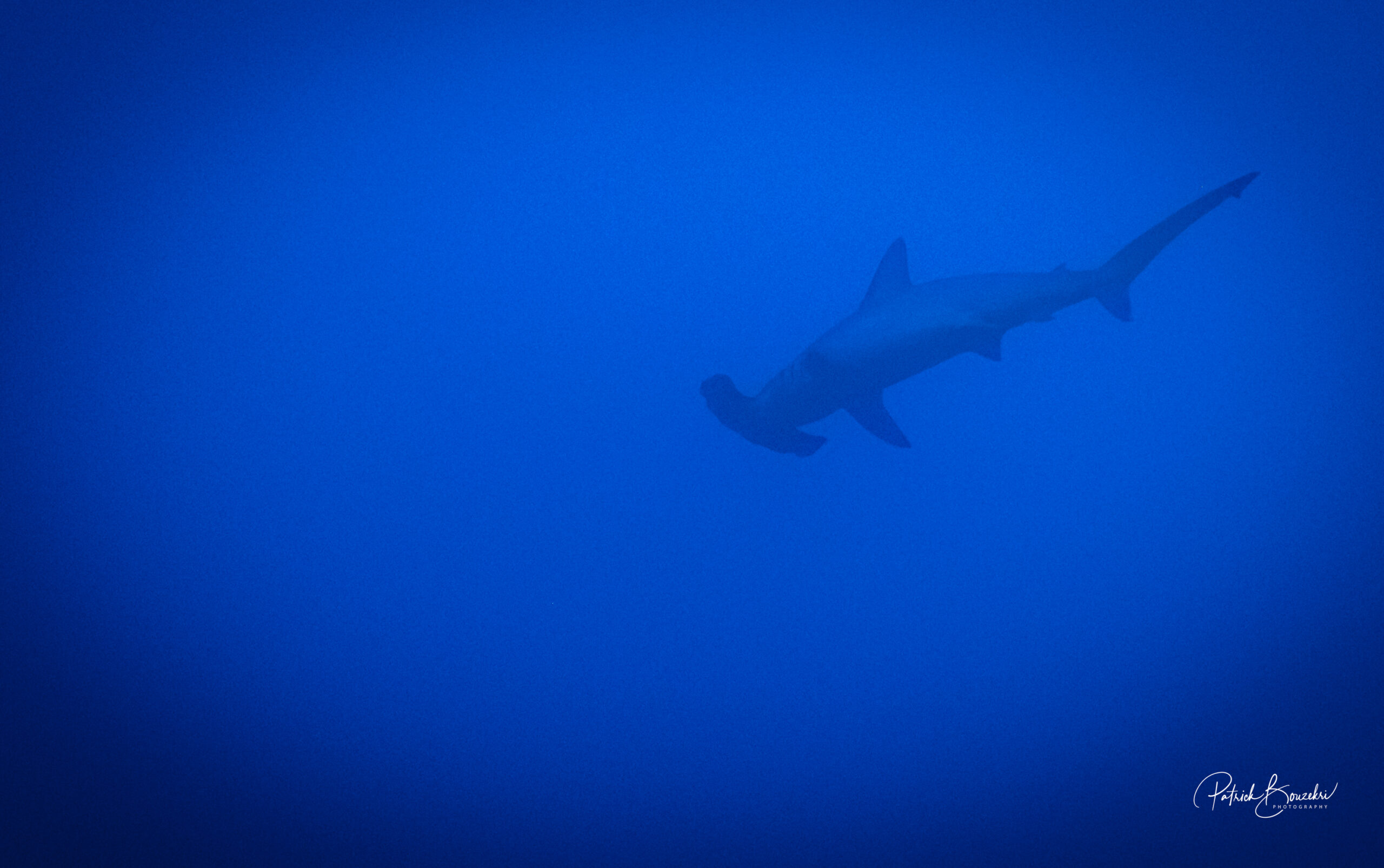
Recently, local operators of almost every Komodo liveaboard began reporting extraordinary sightings in the south, around Nusa Kode and Manta Alley: schools of hammerhead sharks appear in the blue.
It is not just a single shark passing in the distance, but actual schooling hammerheads which usually spotted in Banda Sea. For the diving community here, this has created enormous excitement, and many questions.
Are they migrating through these nutrient-rich waters? Have they always been here, hidden in the deeper southern channels? Could this become an important aggregation site?
For now, nobody knows. And honestly, I love that.
In a world where I often feel everything has already been discovered, Komodo reminds me that the ocean is still mysterious. It is still wild, and still beyond our complete understanding.
Why Biodiversity Matters
The more time I spend underwater, the more I realize biodiversity is not only about counting species. It is about balance, connection, and resilience.
Every tiny creature has its place in this ecosystem. Every coral, every sponge, every predator, and every current contribute to the extraordinary harmony that makes Komodo so unique.
Perhaps this is why diving changes people.
When I witness this richness during a Komodo island tour or dive, the ocean no longer feels distant. I want to protect it, and I feel deeply connected to Komodo marine biodiversity.
At Jakare Liveaboard, striving to be the best Komodo liveaboard, this is what we hope to share through our journeys: not only beautiful dives, but the experience of entering one of the richest marine ecosystems on Earth and feeling, even briefly, a part of preserve what is matter for our Earth.
Whether you are looking for a complete Komodo tour package or a private Komodo boat charter, our 2026 Komodo–Sumbawa itineraries are now open, with a few departures still available.
Who knows what the ocean will reveal next season. Contact us to plan your Komodo tour.
Read More