


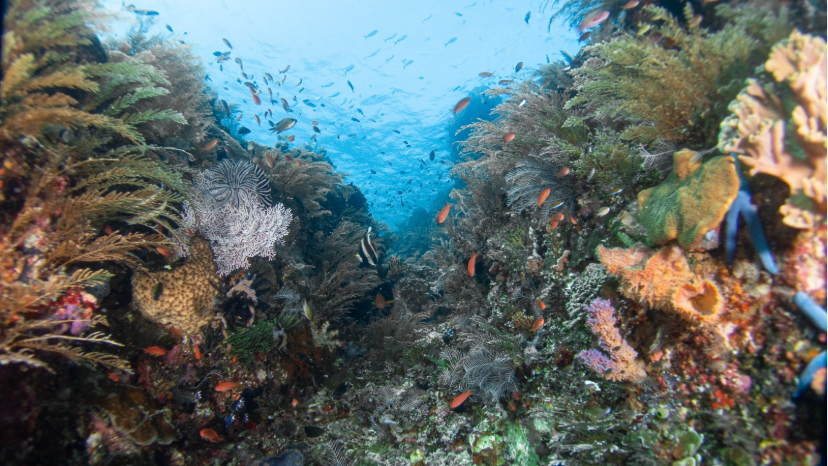
Komodo National Park is one of those rare places that still feels wild. Raw islands, powerful currents, and marine life that doesn’t just appear, but moves around you.
Over the past few years, its popularity has grown fast, with more than 429,000 visitors recorded in 2025. To protect this fragile ecosystem, a new regulation now limits access to just 1,000 visitors per day starting in April 2026.
This changes everything. Because visiting Komodo is no longer just about where you go, but how you experience it.
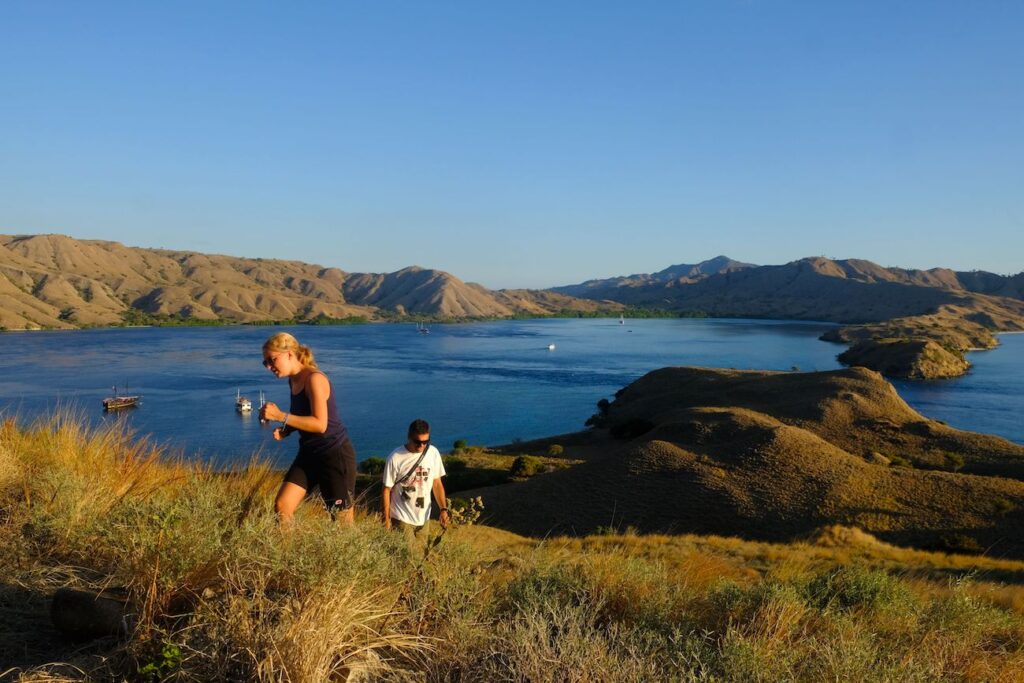
A Komodo liveaboard offers something fundamentally different from a day trip. You don’t commute to the destination; you’re already there. You wake up in quiet bays before the first boats arrive, dive when the conditions are right (not when the schedule says so), and move with the rhythm of the park rather than against it.
If you are planning your trip, the real question is not only which option is cheaper or easier, but which one allows you to truly experience Komodo.
Liveaboard vs Day Trips: Definition and Key Differences
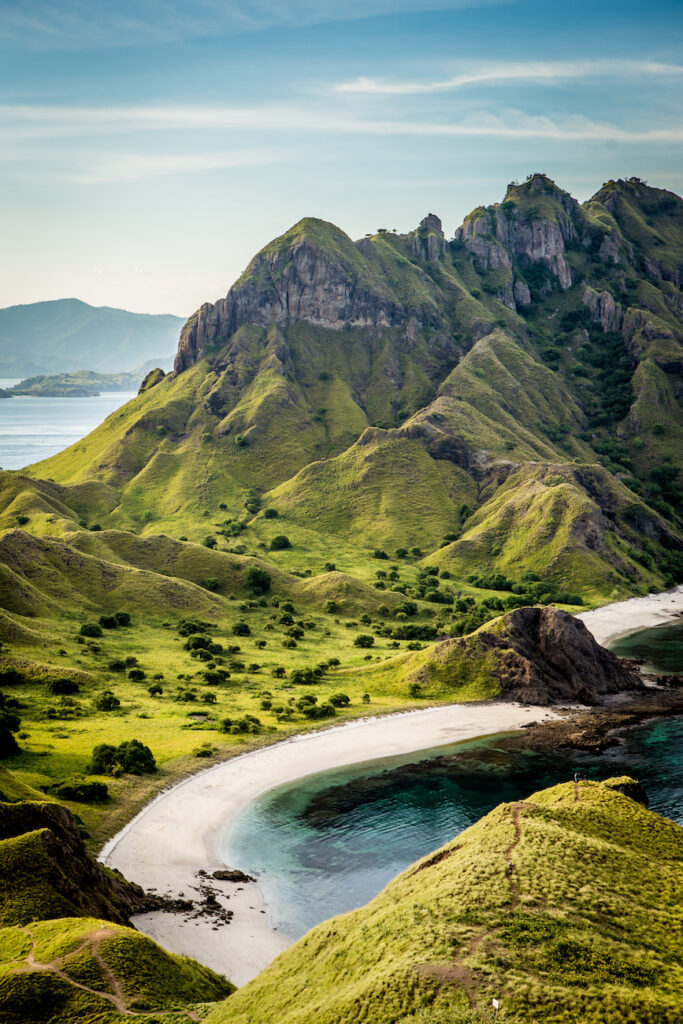
Understanding the difference between these two ways of traveling is not just practical: it shapes the entire experience you will have in Komodo.
Definitions
- Liveaboard
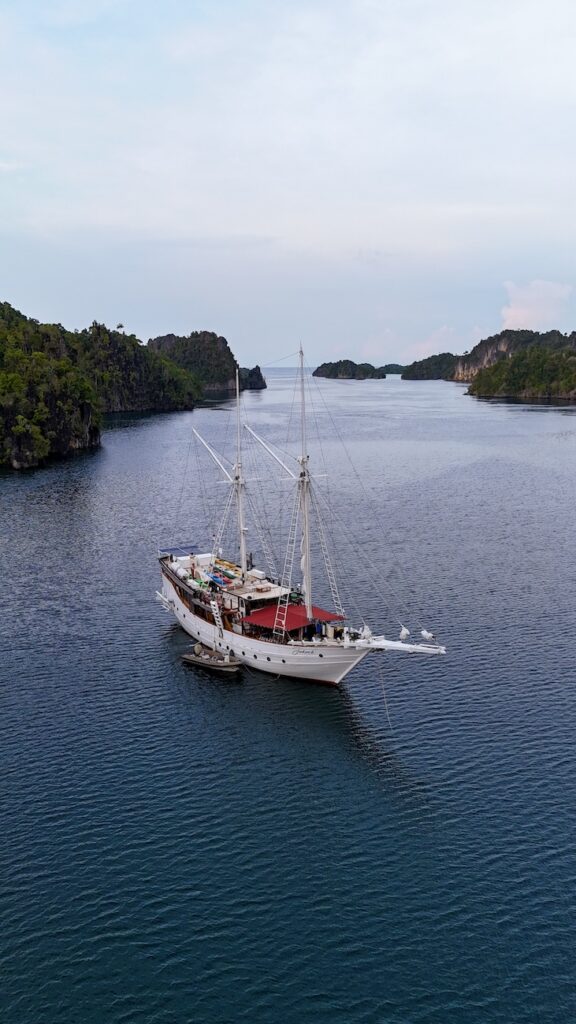
A liveaboard is more than a boat with cabins; it is a dedicated diving boat charter that becomes your floating home for the journey. You sleep, eat, rest, and travel through the park without ever needing to return to land. The destination is not something you go to; it surrounds you.
- Day Trips
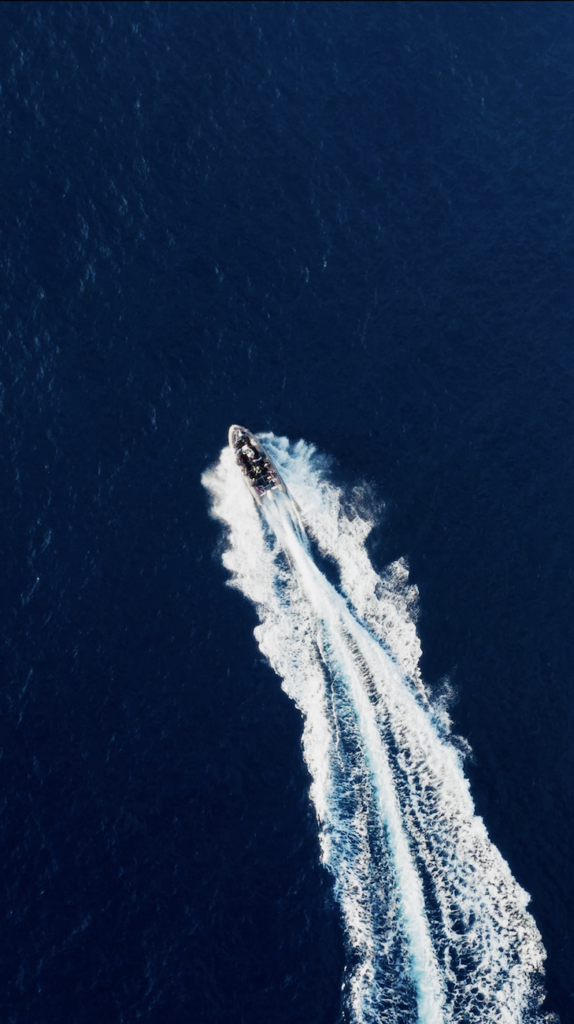
Day trips are organized excursions departing from Labuan Bajo each morning. Whether by speedboat or traditional wooden boat, you spend the day visiting a selection of sites before returning to shore in the late afternoon. Your experience is structured around fixed routes and time limits.
Key Differences
- Budget
Obviously, day trips will be cheaper than a liveaboard. However, a liveaboard is an all-inclusive investment; accommodation, meals, diving, and logistics are all taken care of. A day trip is more affordable at first, but don’t forget to add hotel nights, meals, transportation, and multiple excursions.
- Intent
A liveaboard is about immersion. You take your time, adapt to the rhythm of the ocean, and let the experience unfold. A day trip is more about highlights, seeing as much as possible within a limited window.
- Access
Liveaboards can reach more remote parts of the park, where fewer boats go and the experience feels quieter, sometimes almost untouched. Day trips usually remain within a central radius, shaped by distance and fuel constraints.
- Time & Flow
On a liveaboard, you wake up already in place. No early transfers, no rushing to meet departure times. You move with the conditions, tides, currents, and light. Day trips, by contrast, follow a fixed schedule, often shared with many other boats heading to the same spots.
- Who It Suits
Liveaboards are ideal for those who want to fully experience Komodo—divers, ocean lovers, or anyone seeking a deeper connection with the environment. Day trips work better for travelers with limited time or budget, or those simply looking for a quick introduction.
- Environmental Perspective
No way of traveling here is impact-free. Reaching Komodo already has a footprint. However, a well-operated liveaboard can reduce the constant back-and-forth traffic of daily speedboats, moving slowly and staying within the park rather than commuting in and out each day.
Pros and Cons of Liveaboard vs Day Trips in Komodo
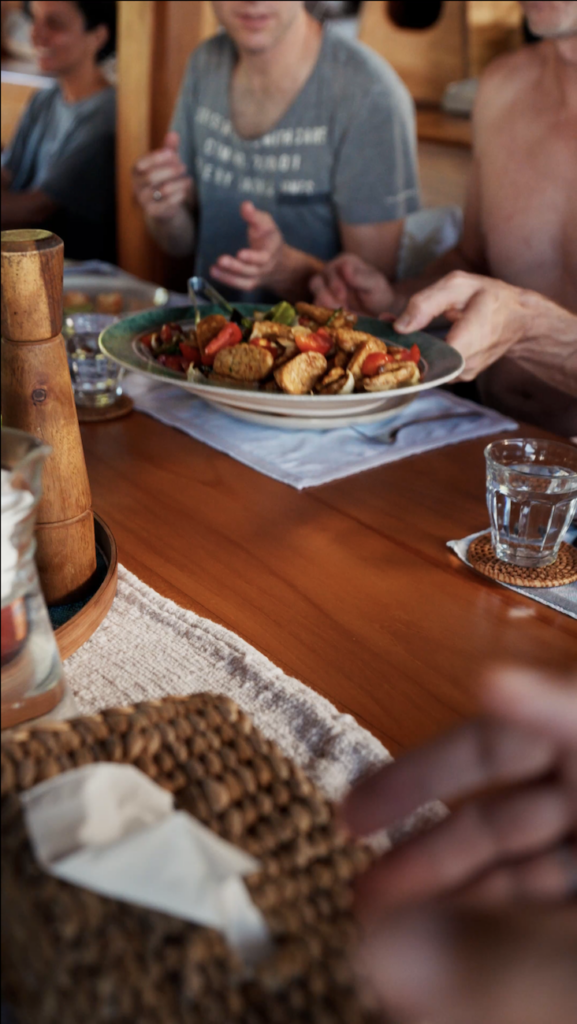
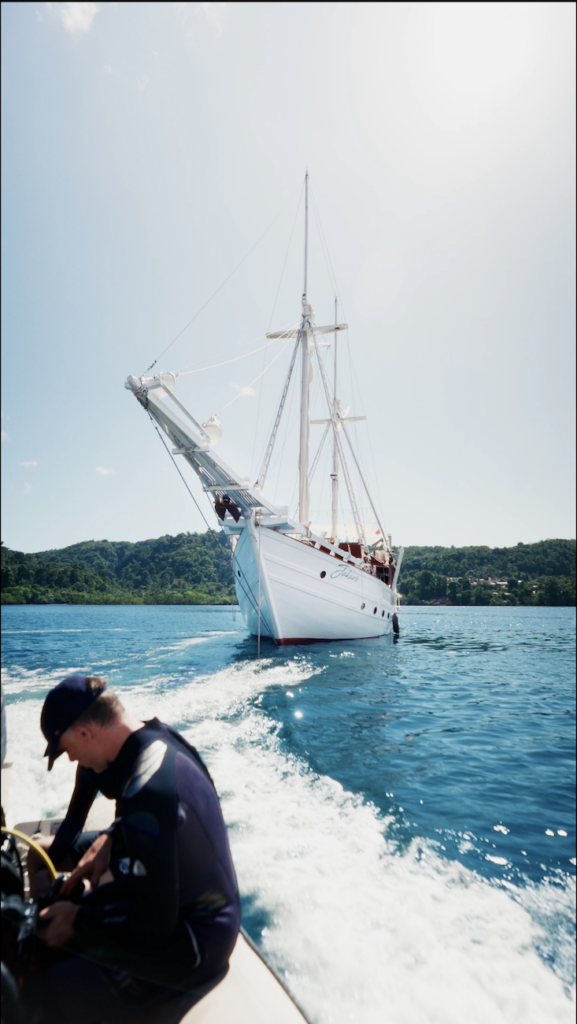
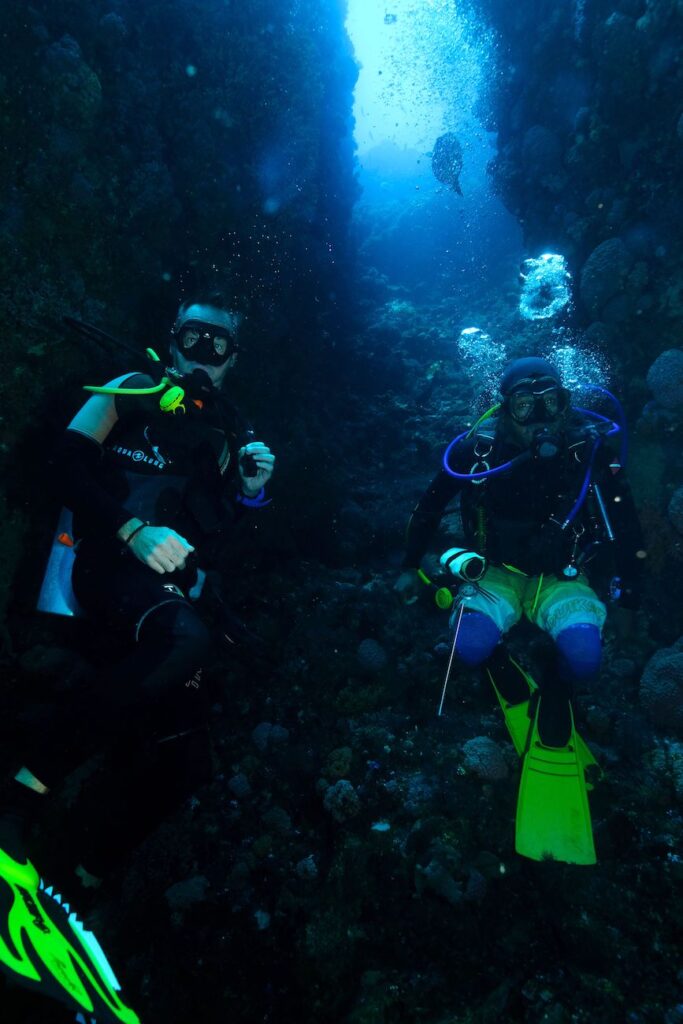
Both options have their place; it really depends on the kind of experience you are looking for.
Komodo Liveaboard
A liveaboard makes you feel like you are living inside the destination, but still there are pros and cons to it.
Pros
- Access to more remote and less crowded Komodo dive sites.
- Waking up already in nature, without transit time.
- A sense of continuity. Days flowing naturally into each other when staying on a Komodo boat charter.
- A shared onboard experience that often feels personal and connected.
Cons
- Higher upfront cost.
- Limited connectivity, though many end up appreciating the disconnection.
Labuan Bajo Day Trips
On a day trip, the experience feels more like visiting the destination from the outside. Here are the pros and cons to consider.
Pros
- Lower initial cost.
- Flexible, day-by-day planning.
- Evenings spent on land with access to restaurants and hotels.
- Suitable for short stays or non-divers.
Cons
- Long and sometimes tiring daily transfers.
- Popular sites can feel crowded.
- Less flexibility around timing and conditions.
- The experience can feel fragmented across multiple days.
Liveaboard vs Day Trips: Which One is Best for Diving in Komodo?
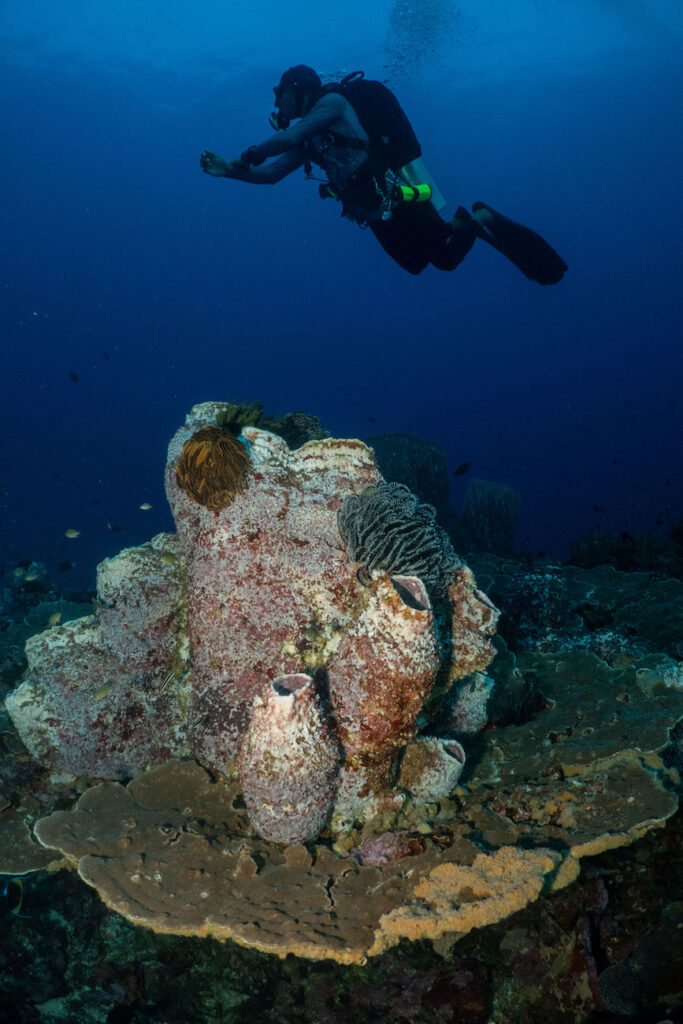
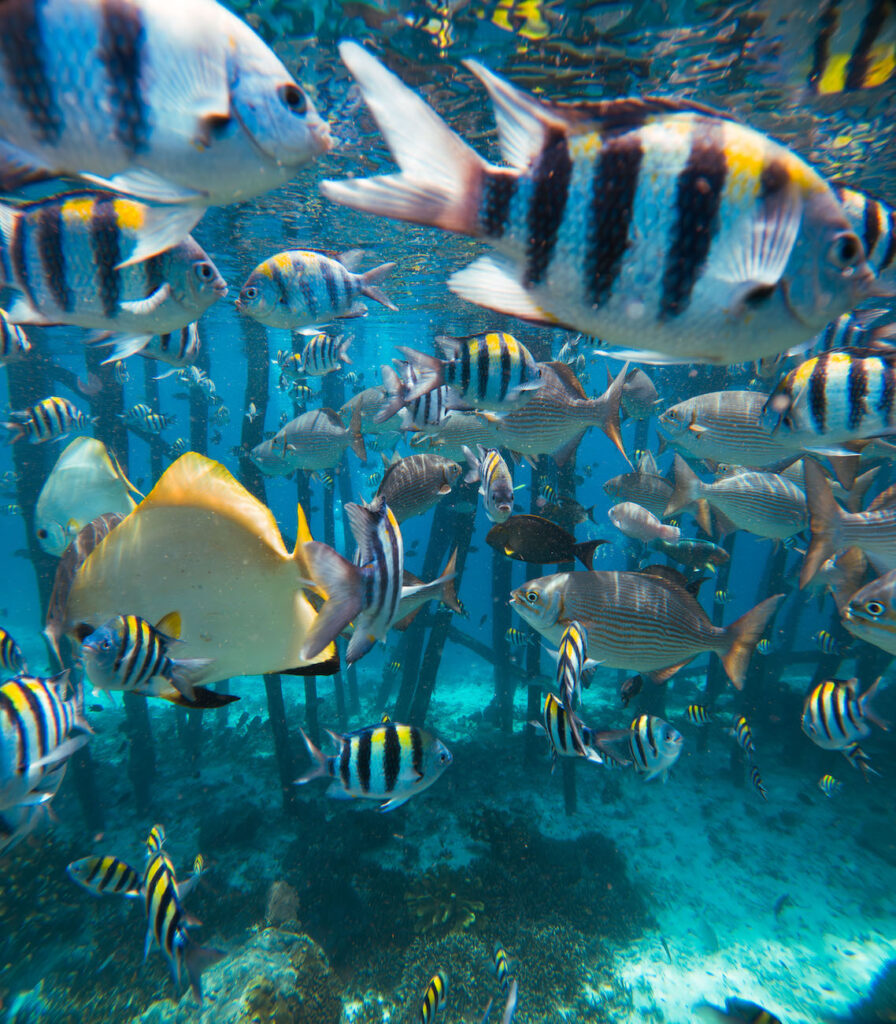
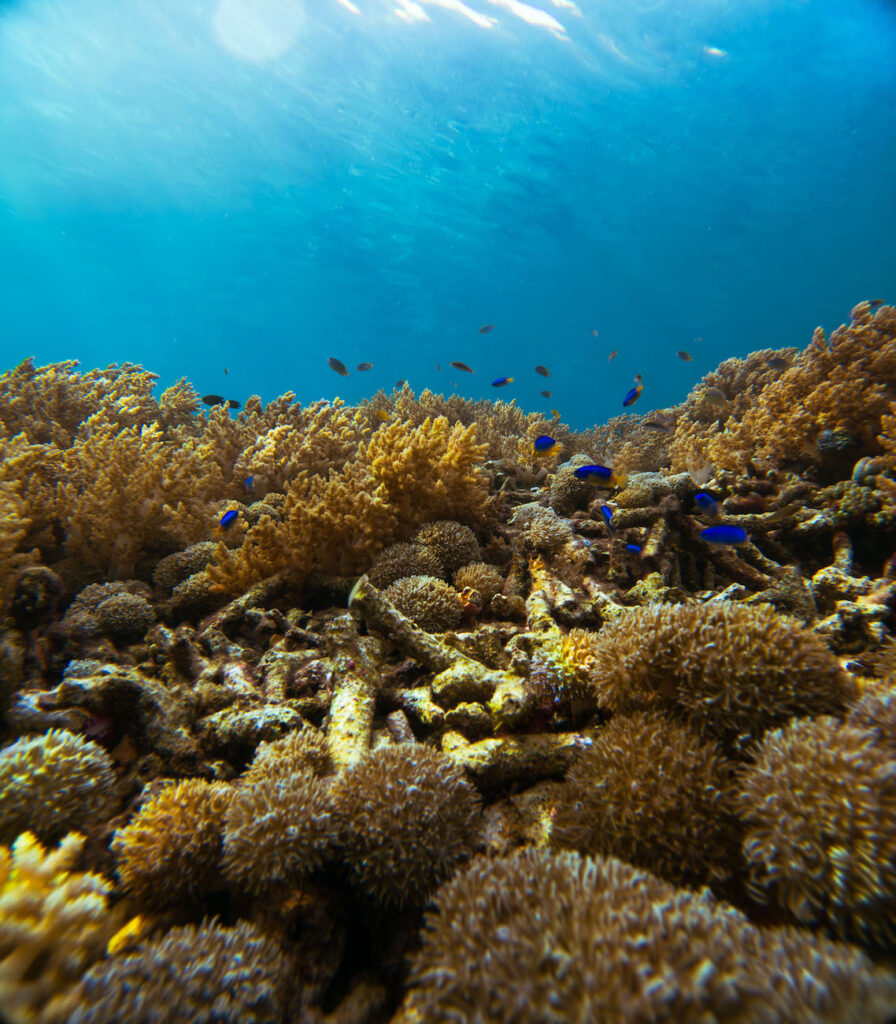
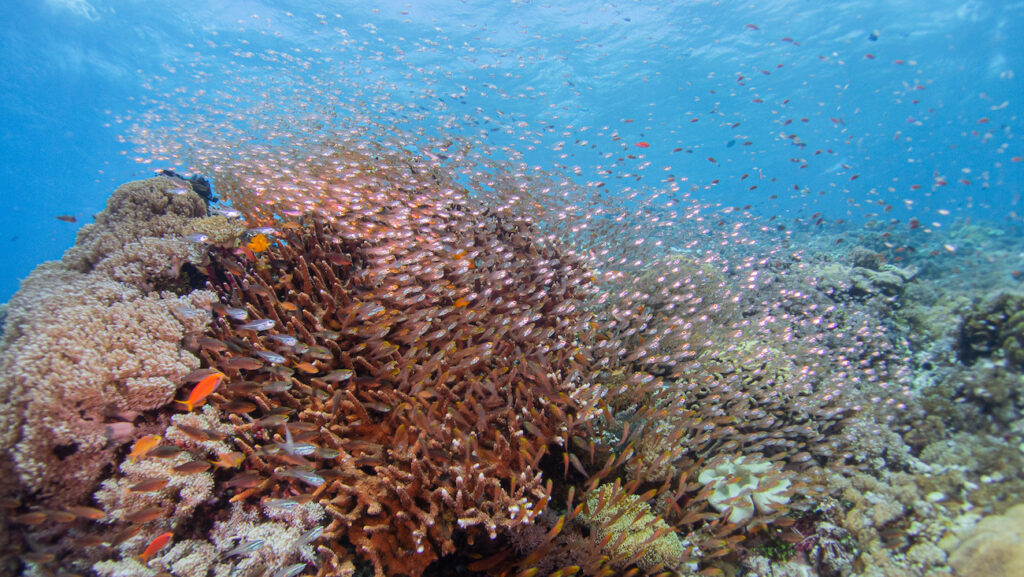
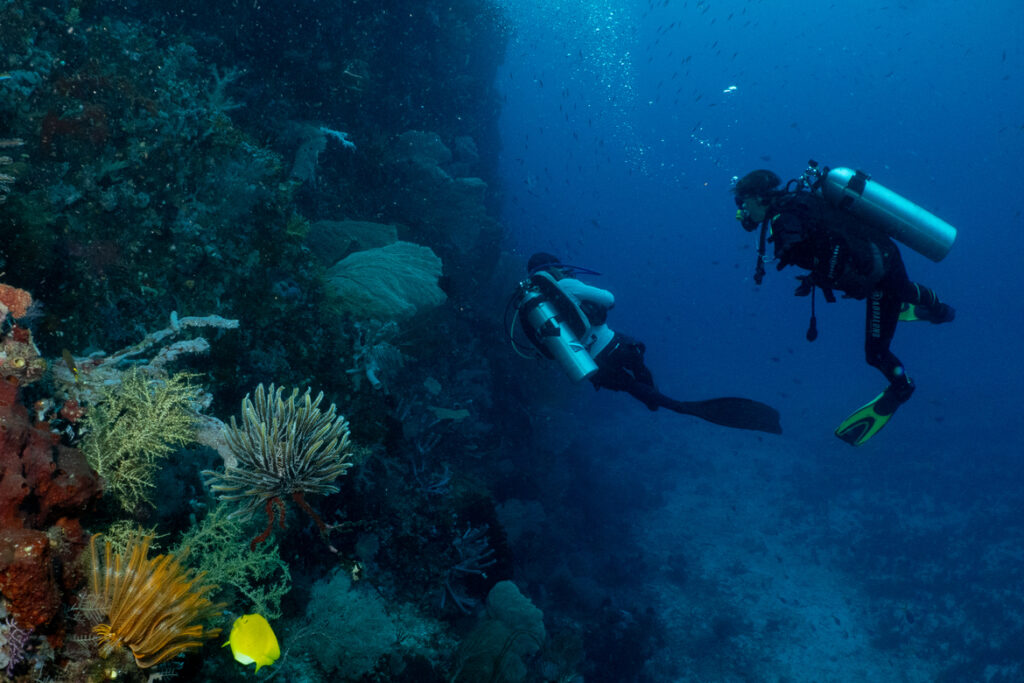
If diving is at the heart of your trip, the difference becomes very clear. When considering how many dives on Komodo liveaboard itineraries are possible, you are not limited to just one or two. Most allow for three to four dives daily, sometimes including a night dive. But more importantly, dives happen when conditions are right, not simply when you arrive.
Komodo is known for its powerful currents. This is what brings the reefs to life, but it also means timing matters. A dive can completely change depending on the tide. Being already in the park allows your crew to choose the right moment, not just the right place.
One dive might have you drifting effortlessly along a reef, carried by the current like flying. Another might have you holding onto a rock, watching manta rays circle above you at a cleaning station. These are not experiences you want to rush.
Liveaboards also offer a safer progression into these conditions. Over several days, guides get to know your level, your comfort in the water, and how you handle currents, allowing them to gradually bring you to more advanced sites if appropriate.
For divers, it’s not just about how many dives you do, but how well each dive is experienced.
Diving Etiquette Every Diver Should Know
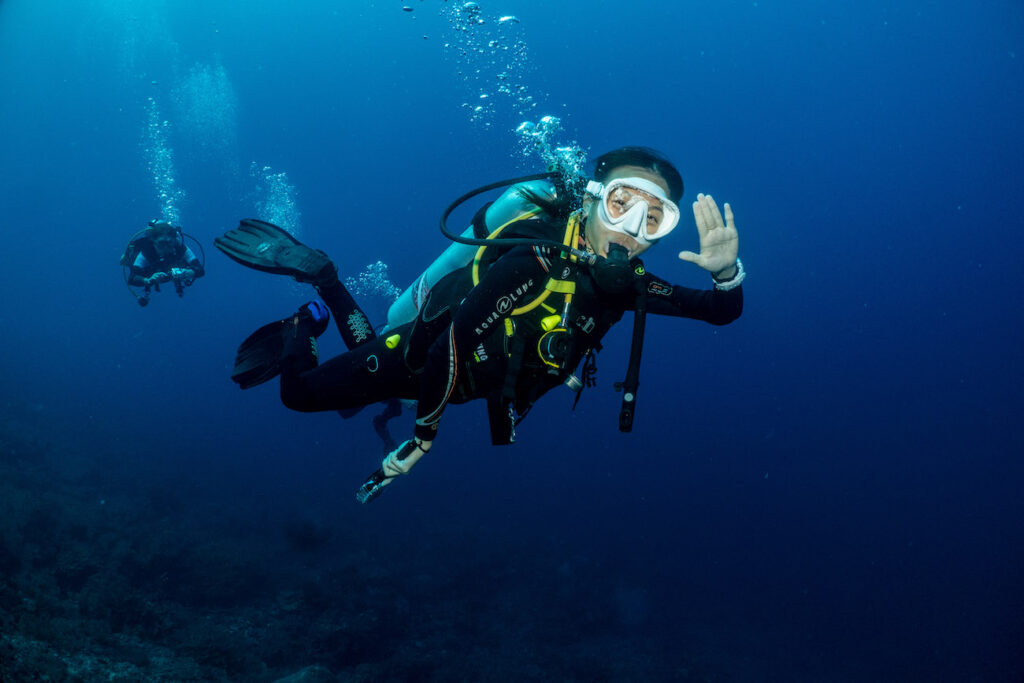
Whether you are on a liveaboard or a day trip, how you behave in the water matters. Komodo’s beauty is powerful, but also fragile.
Underwater
- Buoyancy Control: Good buoyancy is essential here. It protects the reef, but also improves your own experience, clearer visibility, smoother movement, less effort.
- Respect Marine Life: You will see incredible things—manta rays, turtles, reef sharks. The rule is simple: observe, don’t interfere. No touching, no chasing. Let the moment come to you.
- Awareness of Others: Underwater space is shared. Give photographers time, stay aware of your group, and move with intention, especially in currents.
- Stay Connected: In Komodo, conditions can change quickly. Staying close to your guide and buddy is not just etiquette; it’s a crucial part of safety.
Onboard
Life on a boat is collective, even in a very comfortable setting.
- Keep It Simple: A tidy space makes everything flow more smoothly, for you and for the crew.
- Respect the Equipment: Dive gear is used daily and shared across trips. A bit of care goes a long way.
- Take Only Memories: It can be tempting to bring something back, but Komodo is not a place to take from. Photos are more than enough.
- Be Present and On Time: On a liveaboard, everyone moves together. Being ready on time keeps the rhythm smooth for all.
- Choose Thoughtfully: Perhaps the most important choice happens before you even arrive: selecting an operator that respects the environment and the people who live from it.
Jakare Liveaboard: A Different Way to Experience Komodo
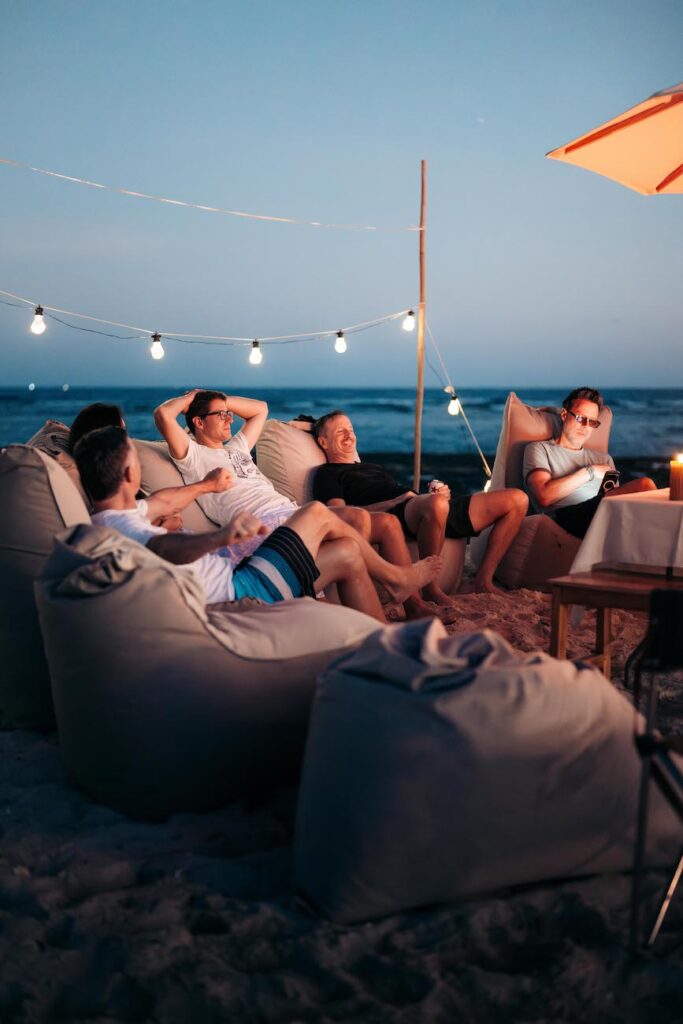
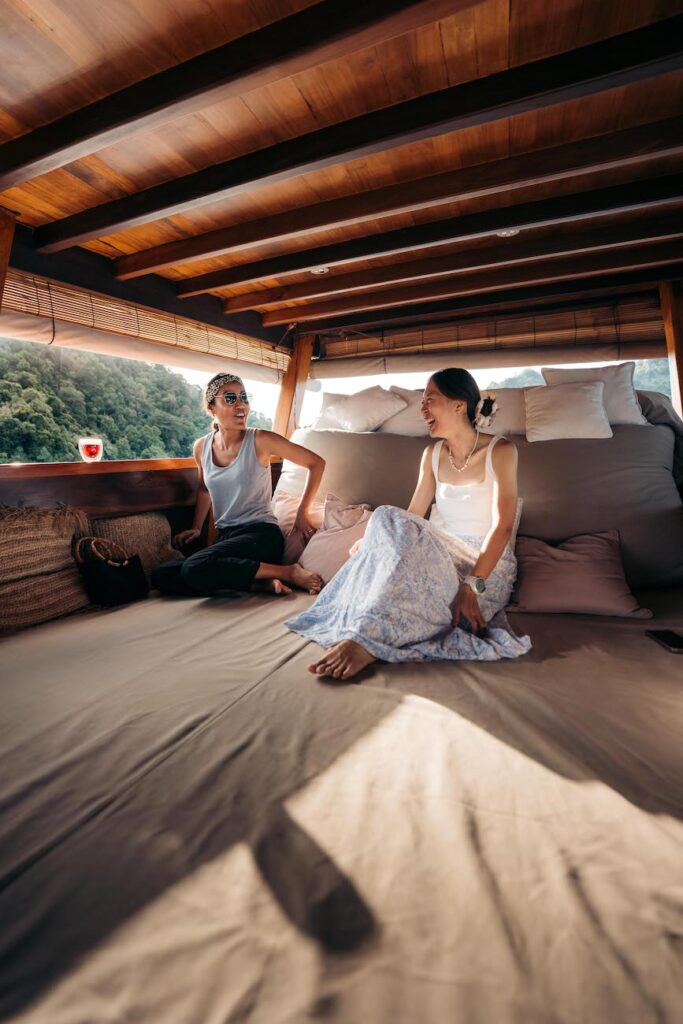
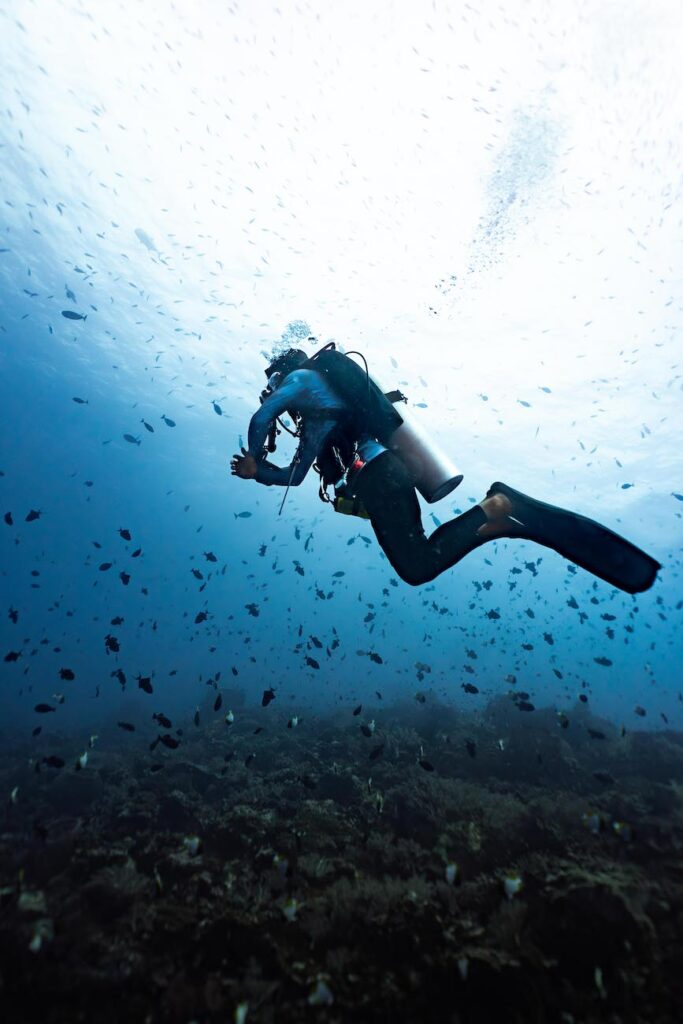
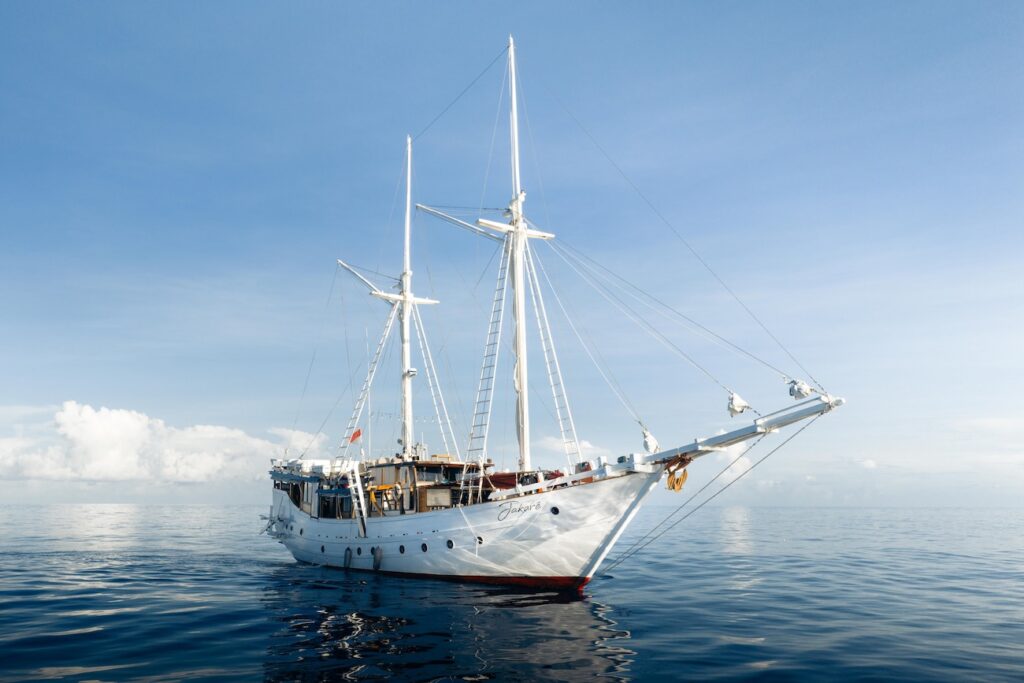
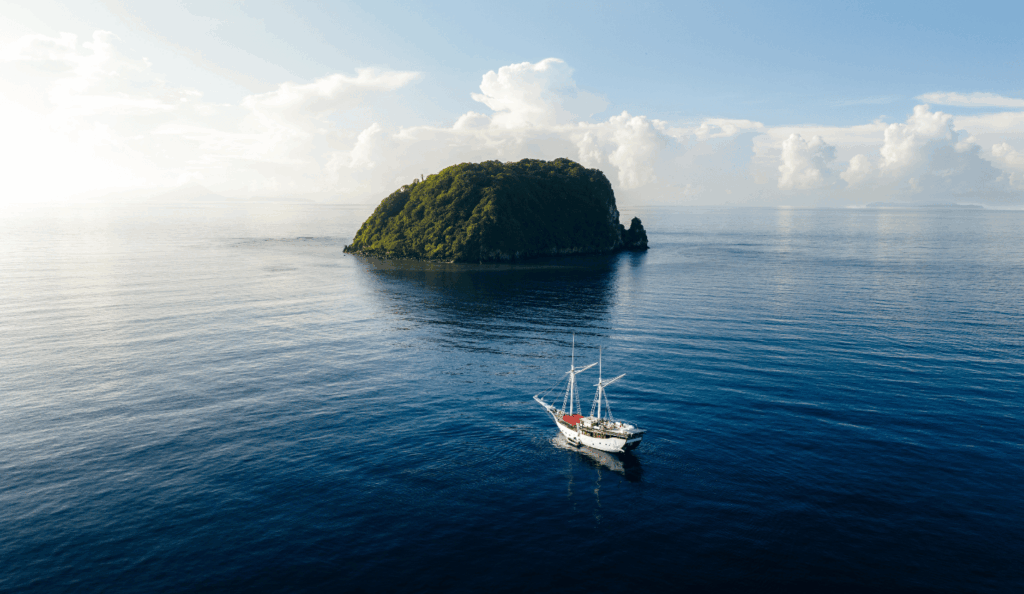
Jakare is not a standard liveaboard. She is a traditional Indonesian phinisi, entirely handcrafted in Sulawesi by artisans who build these wooden vessels without plans, using only knowledge passed down through generations.
Discover Komodo with Intention
There is something alive in these boats. You feel it when you step onboard.
Life on Jakare is intentionally simple, yet deeply comfortable. Mornings start early, often with the first light touching the islands around you. Coffee on deck, a quiet moment before the first dive.
Days unfold between world-class dive sites, remote beaches, and slow navigation through the park. Evenings are for sharing stories, good food, and that particular silence you only find far from land.
Luxury here is not excess; it is about space, time, and attention. Our crew, many of whom come from seafaring communities in Indonesia, bring a natural warmth and intuition to life onboard.
They don’t just deliver a service; they create an atmosphere. Guests often arrive as travelers and leave feeling part of something more personal.
Sample Itinerary: One Day Liveaboard Jakare
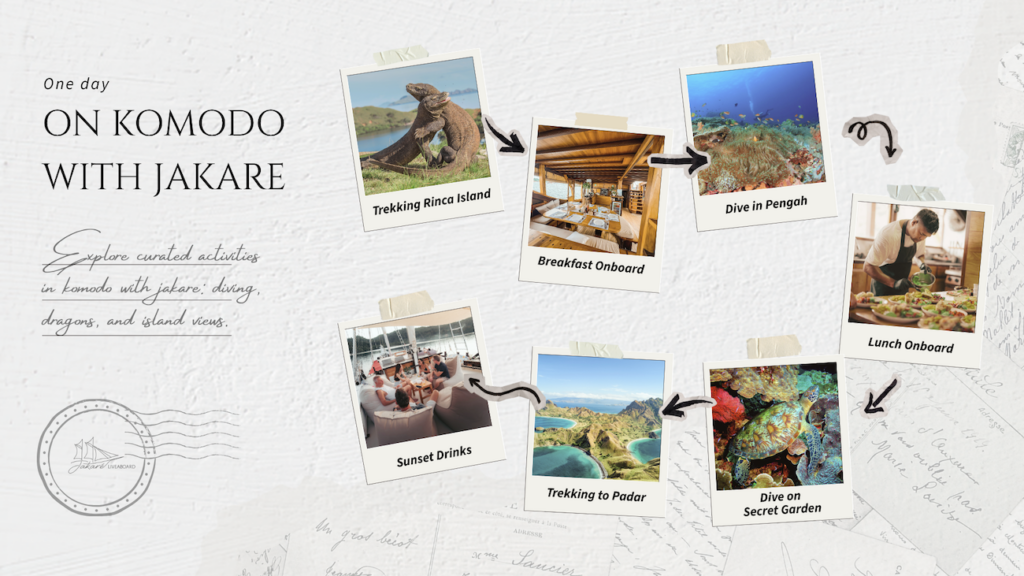
If you wondering how liveaboard with Jakare looks like, here the sample itinerary would guide you to activities while sailing through Komodo Island.
- 7:00 Trekking at Rinca island to meet the Dragons
- 9:00 Breakfast onboard while cruising
- 10:00 Dive in Pengah
- 12:00 Lunch onboard while crossing to Padar Island
- 14:30 Dive on Secret Garden
- 16:30 Trekking to Padar point of view
- 19:00 Sunset drinks on the deck and dinner
Onboard Jakare: Reduce the Impact of Environment
We are also deeply aware that operating in such a pristine environment comes with responsibility. No journey here is without impact, especially when traveling from far away. But onboard Jakare, we do everything we can to reduce it: low-consumption engines, solar energy, minimal air conditioning, waste sorting, and the elimination of single-use plastics.
Beyond the boat, we actively support marine conservation initiatives like The SEA People in Raja Ampat, contributing to the broader protection of diving in Indonesia and its coral ecosystems.
Choosing Jakare is not just choosing a way to travel, it is choosing a way to connect. With the ocean, with the rhythm of Komodo, and often, with yourself.
Conclusion: Is a Komodo Liveaboard Worth It?
Yes, but not only for the reasons most people think. It’s not just about more dives, or more comfort, or even access to remote places. It’s about how the experience feels. The difference between rushing through Komodo and actually being part of it.
With the new visitor limits in place (just 1,000 tickets delivered per day), access to the park is becoming more controlled. Liveaboards are not only a more immersive way to explore; they are quickly becoming the most meaningful way to experience Komodo without feeling the pressure of crowds and schedules.
If what you are looking for is not just a trip, but a moment of connection, with the ocean, with nature, and with a slower rhythm, then a liveaboard changes everything. And if that experience resonates, then Jakare is here to welcome you onboard!
Read More